
The short answer
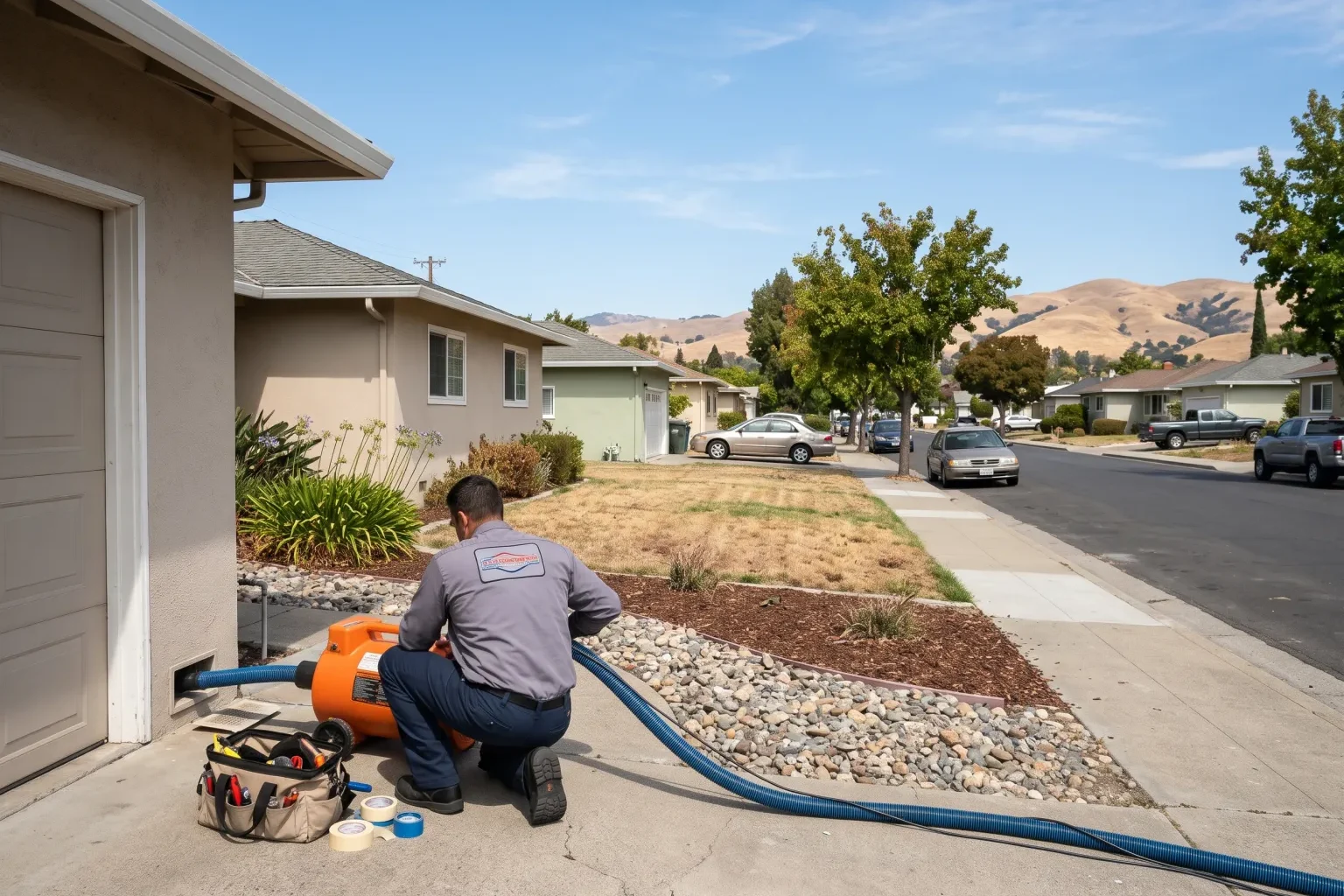
Duct cleaning helps when ducts hold visible debris, after a remodel, or when pests or mold have been found. We inspect first, clean with negative-pressure equipment and point out leaks or damage that cleaning alone will not solve.
Air ducts are the part of a heating and cooling system almost nobody looks at. They run through attics, crawl spaces and wall cavities, and in many South Bay homes they have been there for decades, collecting dust, construction debris, pet hair and sometimes signs of pests. ReliableAir HVAC Services cleans and inspects ductwork for homes in San Jose, Sunnyvale, Mountain View, Los Altos, Palo Alto, Campbell and surrounding areas. We also tell you when cleaning is not the answer, because a dirty duct and a damaged duct need very different fixes.
Signs your ducts may need cleaning
Dust on furniture by itself does not prove your ducts are dirty; every house makes dust. A few signs point more directly at the duct system, and they are worth checking:
- Visible buildup on supply registers or inside the return grille
- Puffs of dust when the blower starts
- A recent remodel, drywall work or floor sanding with the system running
- Evidence of rodents or insects in the attic or crawl space near the ducts
- Musty odors from vents, particularly after the damp winter months
- A new household member with allergies or asthma and an older, uninspected system
- Moving into a home where nobody knows when the ducts were last looked at
What we inspect before we clean
Every duct cleaning visit begins with an inspection. We remove registers and the return grille, look inside with lights and, where useful, a camera, and check the condition of the blower, coil and filter housing. Dirt in the ducts often starts with a filter that does not seal or a return that pulls air from the attic.
We also look for problems that cleaning cannot solve. Flexible ducts in older San Jose attics often sag, kink or separate at the joints. Metal ducts in crawl spaces can have open seams. Insulation may be torn or missing. If a duct is disconnected, it is pulling insulation dust and attic air straight into the house, and no amount of cleaning will stop that until it is repaired.
If we find anything that looks like mold growth, we point it out and explain the next steps rather than treating it as routine dust. Moisture in the valley's mild, damp winters can collect in crawl space ducts, and the source of that moisture needs attention too.
Cleaning, repair or replacement
Once the inspection is done, you get one of three recommendations, sometimes in combination.
Cleaning is appropriate when the ducts are structurally sound but hold debris. We connect a high-powered vacuum to the system to create negative pressure, then work through each branch with brushes and air tools so loosened material is pulled out rather than blown into the rooms. Registers and grilles are washed, and the blower compartment is cleaned as well.
Repair fits ducts that are mostly in good condition but leak at joints, have a crushed section or a disconnected boot. Sealing with mastic or approved tape, reattaching runs and replacing short sections often improves airflow and comfort more than cleaning does.
Replacement makes sense when ductwork is badly deteriorated, brittle, poorly insulated or laid out so that some rooms barely get air. It is a bigger project, and it is often paired with a new air conditioner or heat pump. We explain why we think replacement is warranted and what partial options exist before you decide anything.
What influences the cost of duct work
Because no two duct systems are alike, we quote after the inspection. These are the details that make the biggest difference:
- The number of supply and return vents in the home
- Whether ducts run through an attic, a crawl space or both
- How much debris is present and whether any area needs extra treatment
- Duct material, such as rigid metal, duct board or flexible duct
- Repairs or sealing found during the inspection
- Access issues, like low clearance, tight crawl spaces or stored items over the attic hatch
Why older South Bay duct systems deserve a closer look
A large share of homes around San Jose, Santa Clara and Sunnyvale were built when ducts were sized for a furnace alone. Air conditioning was often added later, pushing more air through the same narrow runs and a single small return. Over the years those ducts were patched, rerouted around remodels and stepped on by people working in the attic.
The result is a system that may be dirty, leaky and restrictive at the same time. Cleaning removes the debris, but the biggest gains in comfort usually come from fixing the leaks and restrictions that let attic dust in to begin with. That is why our inspection covers airflow and connections, not just how much dust is inside.
If you are planning a new air conditioner or heat pump, it is smart to have the ducts evaluated first. New equipment connected to old, leaky ducts will not deliver the comfort it was designed for, and catching duct problems before the install avoids paying for the same access twice.
How a duct cleaning visit unfolds
Before the visit, it helps to clear a path to the furnace or air handler and to the attic or crawl space access. Our technician starts with a walk-through and the inspection described above, then shows you photos and explains what was found and what we recommend. Work begins only once you agree.
During cleaning, we protect floors and furniture near each register and turn the system off so nothing blows back into the room. The process usually takes a good part of the day for a typical home. When we finish, the system is switched back on, airflow is checked at the vents and a fresh filter is installed. You receive a written summary that includes any repairs completed, anything still worth fixing and a suggestion for how often to have the system inspected again based on what we saw.