
The short answer
HVAC maintenance is a scheduled inspection, cleaning and performance check that keeps systems efficient and catches failing parts early. In San Jose, a cooling check in spring and a heating check in fall, or one combined visit for heat pumps, fits the local climate well.
Most heating and cooling breakdowns start as something small: a filter that went too long, a capacitor that slowly lost strength, a condensate line that grew a clog over the summer. Routine maintenance is how those small things get caught while they are still cheap and easy to handle. ReliableAir HVAC Services performs seasonal tune-ups on furnaces, central air conditioners, heat pumps and ductless systems throughout San Jose and the nearby South Bay cities. A maintenance visit is not a quick filter swap and a sticker. Our technicians clean, measure and test the parts that wear, record what they find, and tell you plainly what is healthy, what is aging, and what can wait. Here is what we look at, how to know your system is overdue, and how a visit is structured.
Signs your system is overdue for a tune-up
If you cannot remember the last time a technician opened up your equipment, it is probably time. Other hints are easy to spot around the house:
- Energy bills creeping up across the same season year over year
- Longer run times before the house reaches the set temperature
- More dust on furniture or a musty smell when the system starts
- Water around the indoor unit or a drain pan that is not emptying
- An outdoor unit packed with leaves, cottonwood fluff or grass clippings
- Rattles, hums or clicks that were not there last year
- A system that has not been serviced since you bought the house
Inside a ReliableAir maintenance visit
The checklist depends on your equipment, but the goal is the same for every system: confirm it runs safely, efficiently and the way the manufacturer designed it to.
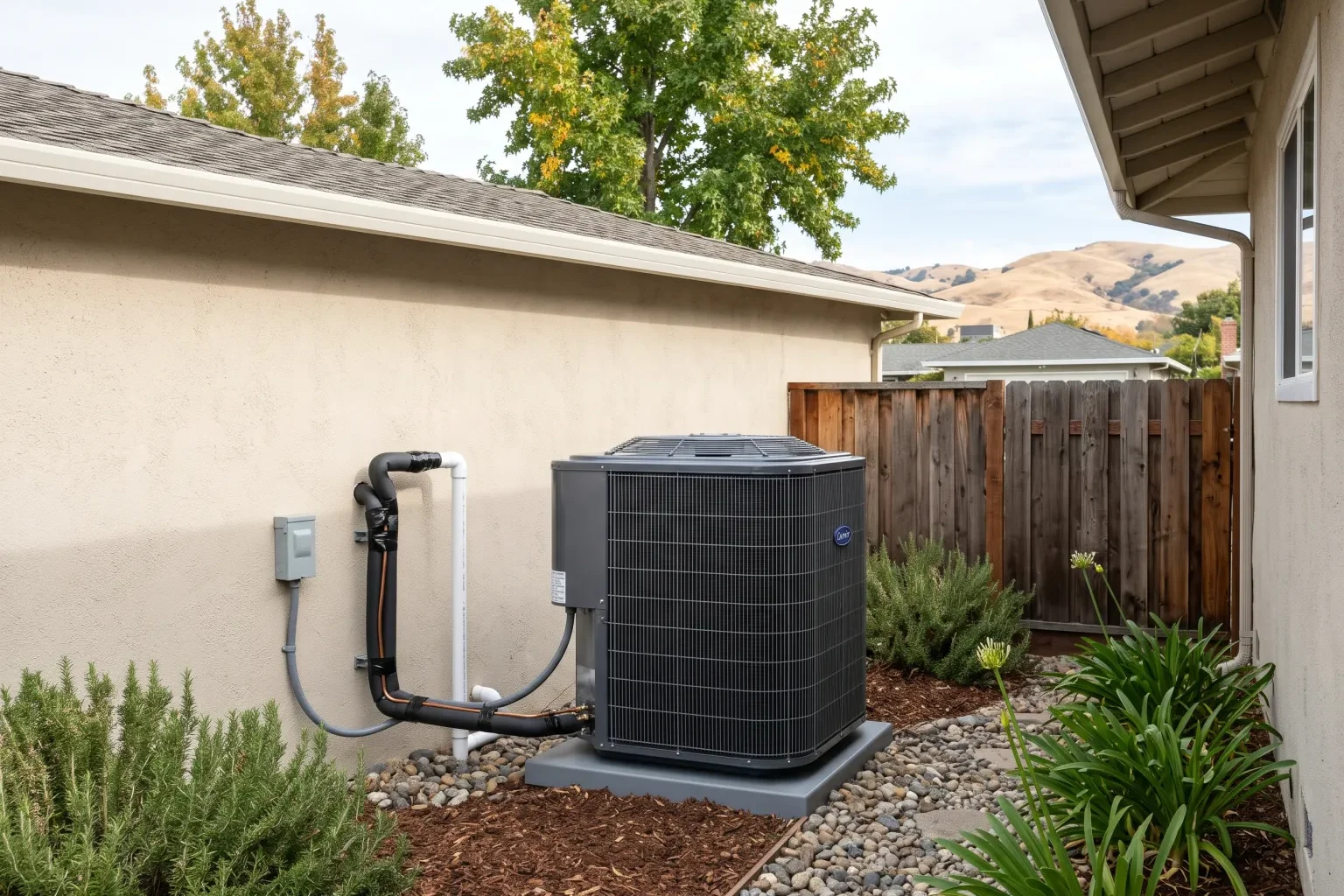
For cooling and heat pump systems we clean the outdoor condenser coil, straighten bent fins, check refrigerant pressures and temperatures, test the capacitor and contactor, inspect the fan motor, and flush the condensate drain. Indoors we inspect the evaporator coil, blower wheel and motor, and measure airflow and temperature split across the coil. Heat pumps also get a check of the reversing valve and defrost operation.
For gas furnaces we inspect and clean the burners and flame sensor, test the igniter, verify gas pressure, check the inducer and pressure switch, inspect the heat exchanger, confirm venting and draft, and test for carbon monoxide. Ductless systems get a filter and coil cleaning, a blower wheel inspection and a drain test.
On every visit we tighten electrical connections, check the thermostat, replace or recommend a filter, and give you a written summary of readings and findings.
Timing that matches the South Bay climate
The Santa Clara Valley has a Mediterranean climate with dry summers and mild, damp winters, and inland and southern parts of the valley run noticeably hotter in summer than areas near the Bay. That pattern suggests a simple schedule. A spring visit prepares the air conditioner or heat pump before the long dry stretch, when outdoor coils collect dust and pollen fast. A fall visit readies the furnace before the first cool, wet weeks and catches anything the summer wore down.
Heat pumps run in both seasons, so many owners choose two visits a year. If your home sees heavy summer cooling loads, a mid-season coil rinse can also help.
Why skipped tune-ups cost more later
An air conditioner or heat pump with a dirty outdoor coil has to work harder to reject heat, which raises pressures, warms the compressor and shortens its life. A blower wheel coated with dust moves less air, so the indoor coil can get cold enough to freeze on hot afternoons. On the heating side, a flame sensor with a light coating causes nuisance shutdowns, and a cracked igniter often fails the first time the weather turns cool.
None of these problems arrive overnight. They build over months, and a technician who measures pressures, temperatures and amp draws can usually spot the trend before it becomes a no-heat or no-cool call. Regular service also creates a record of readings over the years, which makes it easier to tell whether a change is normal aging or a sign of a developing fault.
There is a comfort payoff too. A system that is clean and properly charged holds temperature more evenly, runs more quietly and handles humidity better, so the house simply feels better through every season.
When maintenance turns up a bigger problem
Sometimes a tune-up reveals a part that is close to failing. In that case we explain what we saw, show you the reading or the worn component, and quote a repair separately so you can decide whether to do it now or plan for it. We never bundle surprise repairs into a maintenance visit.
If a system is old and showing several signs of wear, we will give you an honest read on how much life it likely has left. That is not a push to replace it. The Bay Area Air District rules do not require replacing working equipment, and a well-maintained older system can keep running for a long time. Knowing its condition simply lets you budget and avoid a rushed decision in the middle of a heat wave.
What affects the cost of a maintenance plan
The scope of a maintenance visit depends on how many pieces of equipment you have and what kind they are. A single furnace with a matching air conditioner is a different job from a home with a heat pump plus several ductless zones. Access to attic or crawlspace units, the condition of coils that have not been cleaned in years, and whether you want one visit or two per year all play a part. Filter type matters as well, since some homes use standard pleated filters and others use thicker media cabinets. We explain the options and let you choose what fits your home.
When you book, we ask about the age and type of each unit so the technician arrives prepared with the right filters and supplies.